

Endodontic Training Workshop
Endodontic Course Module
- Day 1: Clinical concepts in contemporary modern endodontics.
- Day 2: Learning rubber dam placement on an extracted premolar and then hands on access opening and demonstration of rotary endodontics.
- Day 3: Access opening on a patient after anesthesia and rubber dam application. (1hr. 30 minutes)
- Day 4 : BMP and irrigation on a patient (1 hr. 30 minutes)
- Day 5: Performing obturation in a patient (1 hour 30 minutes)
- Day 6: Crown preparation and impression making (1 hour 30 minutes)
- Day 7: Passive crown cementation process — Method, Choice of cements, Do’s and don’ts
- Day 8:How to handle endodontic accidents in a private practice?
- Day 9: Handling medical emergencies in a dental practice.
- Day 10: Practice Management.
-
What are Clinical concepts in contemporary modern endodontics?
- Biomimetic Principles: Focus on preserving tooth structure and using biocompatible materials.
- Biomimetic Principles: Focus on preserving tooth structure and using biocompatible materials.
- Advanced Imaging (CBCT): Utilization of 3D imaging for accurate diagnosis and treatment planning.
- NiTi Rotary Instruments: Improved efficiency and safety in canal shaping.
- Enhanced Irrigation Techniques: Use of sonic/ultrasonic activation for effective cleaning and disinfection.
- Regenerative Endodontics: Techniques aimed at revitalizing pulp tissue in immature teeth.
-
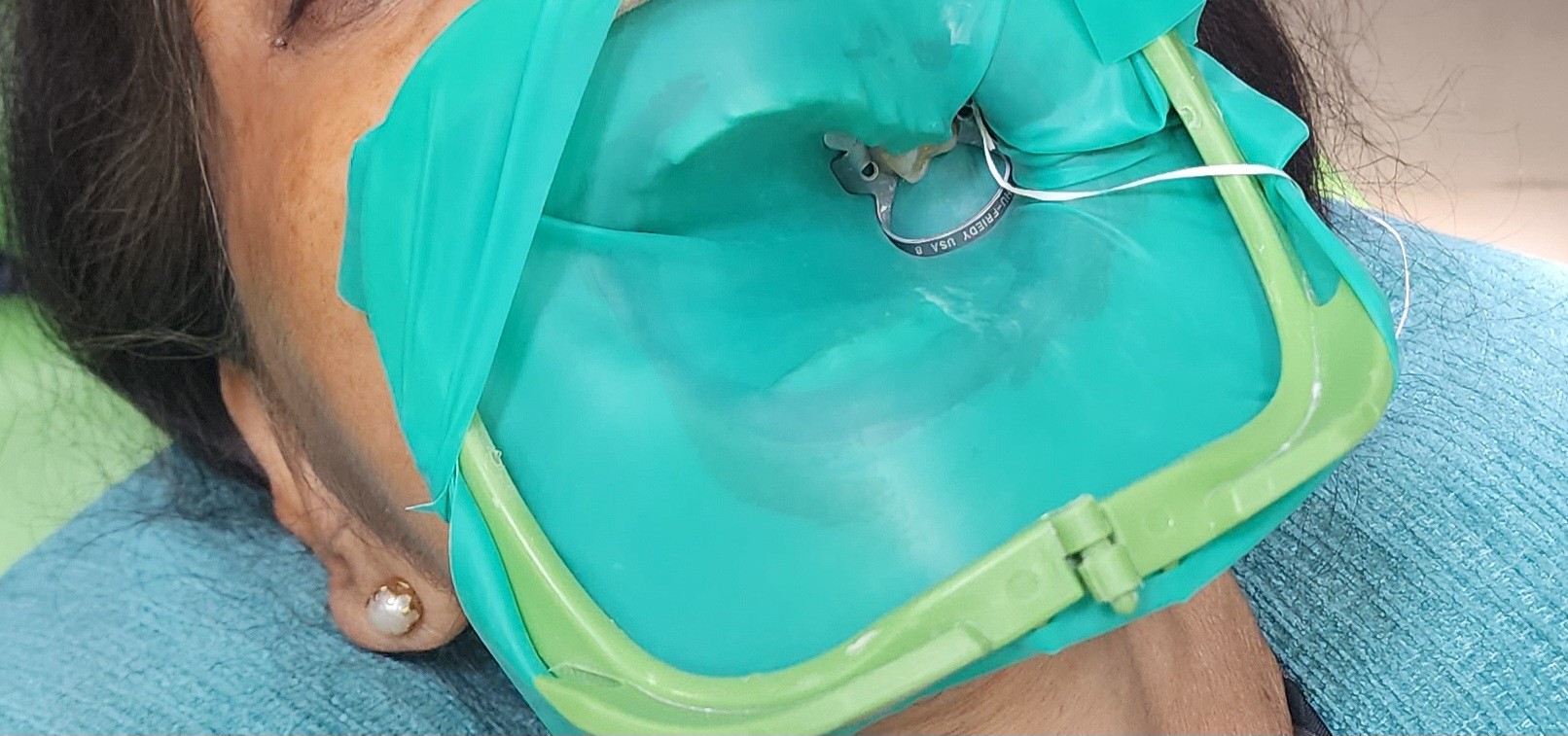
What is rubber dam placement in endodontics?
- Isolation: Prevents saliva contamination during the procedure.
- Visibility: Enhances the dentist’s ability to see and access the treatment area.
- Infection Control: Reduces the risk of bacteria entering the root canal system.
- Patient Safety: Minimizes the risk of swallowing or aspirating debris.
- Improved Treatment Outcomes: Contributes to higher success rates in endodontic procedures.
-
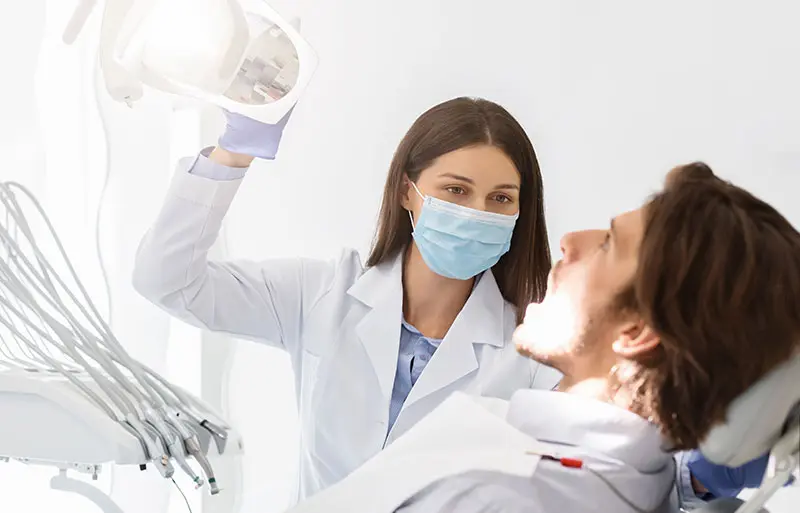
What is Access opening on a patient after anesthesia and rubber dam application in endodontics?
- Purpose: To create a pathway to the pulp chamber and root canals for effective treatment.
- Location: The access opening is typically made on the occlusal or buccal surface of the tooth, depending on the tooth type and anatomy.
- Technique: Utilizes specific rotary or hand instruments to remove tooth structure carefully, preserving as much healthy dentin as possible.
- Identification of Canals: Allows for direct visualization and exploration of the root canals to locate the canal orifices.
- Preparation for Treatment: Facilitates subsequent procedures, such as cleaning, shaping, and filling the canals.
-
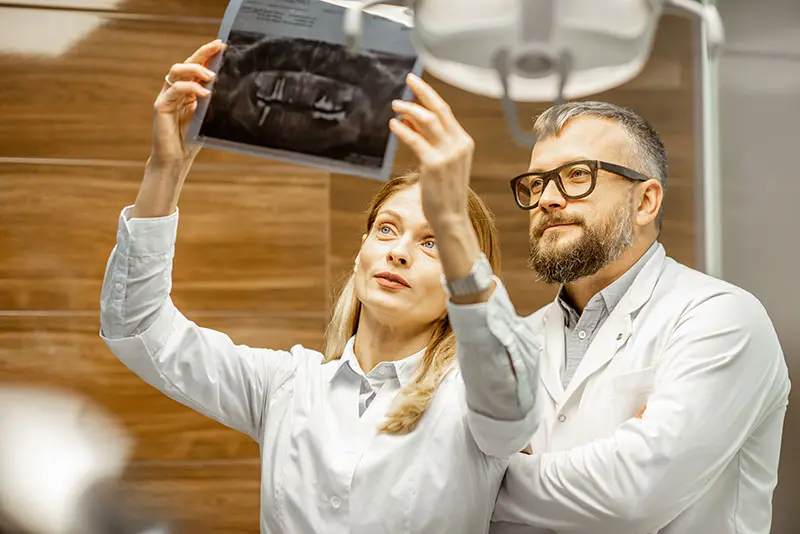
What are BMP and irrigation on a patient in endodontics?
- Biomechanical Preparation (BMP): This process involves cleaning and shaping the root canal to remove infected tissue and prepare it for filling, ensuring the canal is adequately debrided.
- Irrigation Purpose: Irrigation flushes out debris, bacteria, and toxins during BMP, aiding in the disinfection of the root canal system.
- Common Irrigants: Sodium hypochlorite, chlorhexidine, and EDTA are frequently used irrigants, each with specific properties like antibacterial action and tissue dissolution.
- Irrigation Activation: Techniques such as ultrasonic or sonic activation improve the penetration and effectiveness of irrigants.
- Safety Precautions: Proper irrigation techniques help avoid complications like extrusion of irrigant beyond the apex, which can cause tissue damage.
-
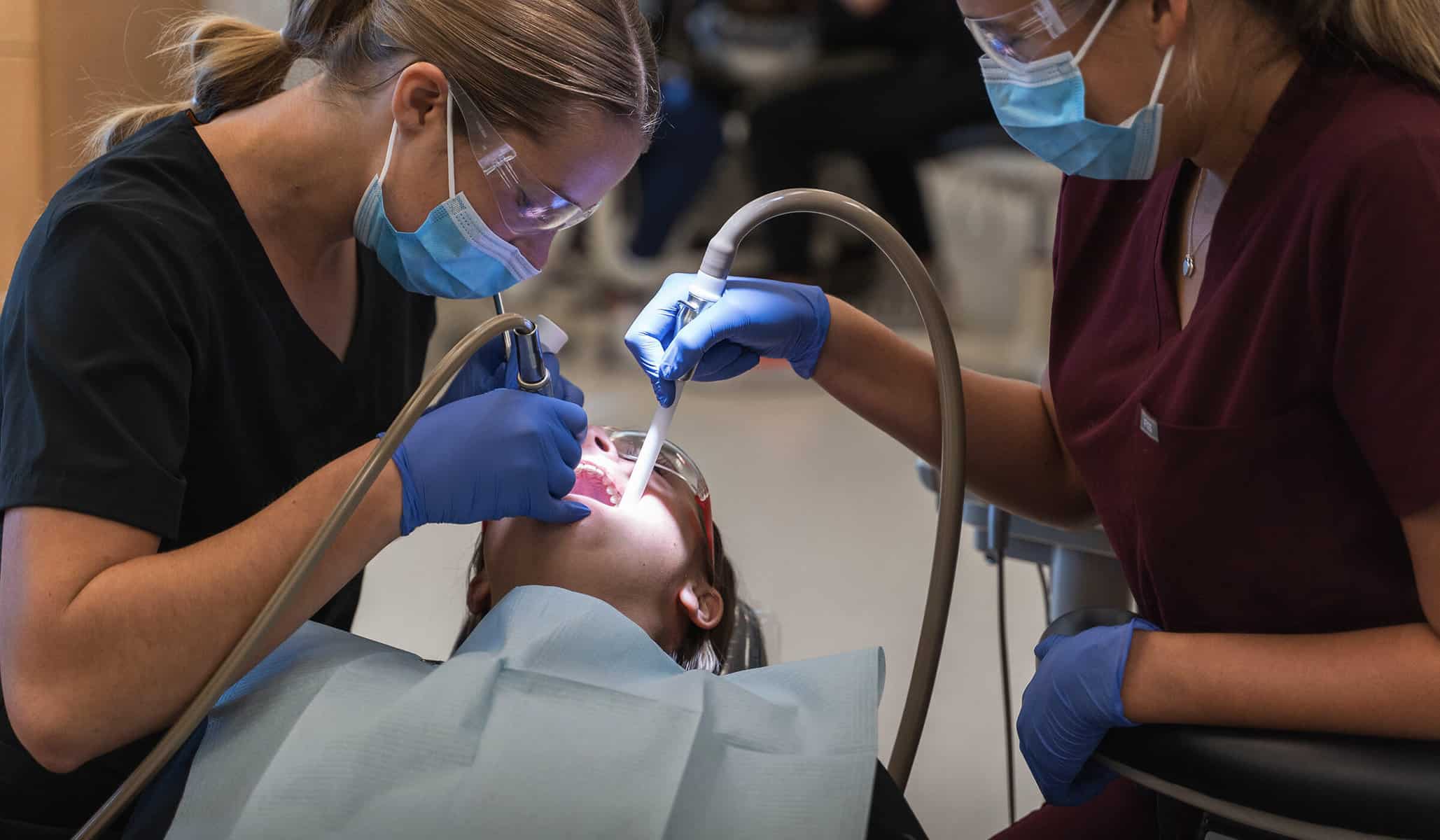
What is Performing obturation in a patient in endodontics?
- Definition: Obturation is the process of filling and sealing the cleaned and shaped root canal space to prevent reinfection and promote healing.
- Materials Used: Gutta-percha, a thermoplastic material, along with sealers, is the most commonly used material for filling the root canal.
- Techniques: Different techniques are used for obturation, such as cold lateral condensation, warm vertical condensation, and carrier-based systems, depending on the case.
- Airtight Seal: The goal of obturation is to create an airtight, hermetic seal from the coronal portion of the tooth to the apex to prevent bacterial leakage.
- Post-Obturation Care: After obturation, the tooth is usually restored with a crown or other dental restoration to ensure structural integrity and long-term success.
-
What is the purpose of crown preparation and impression making in endodontics?
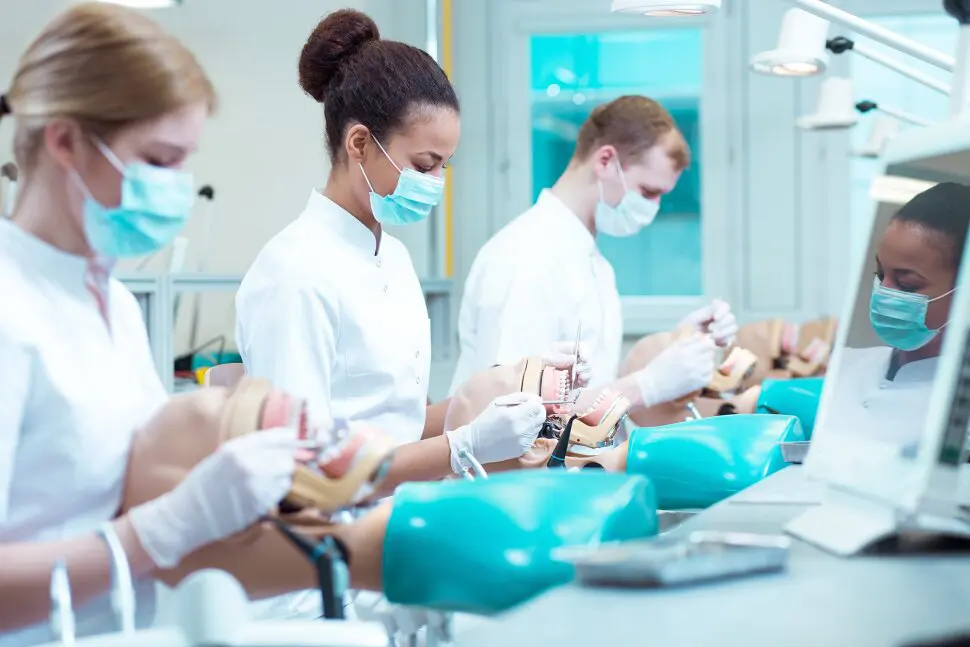
- Crown Preparation: After a root canal treatment, crown preparation involves reducing the tooth structure to create space for a crown, which restores the tooth’s function and strength.
- Tooth Structure Shaping: The tooth is shaped to have smooth, tapered sides and a flat or contoured top to allow proper fitting of the crown, ensuring long-term durability and aesthetics.
- Margins: Precise margins are created at the tooth’s base to ensure that the crown fits tightly, preventing bacterial leakage and protecting the underlying tooth structure.
- Impression Making: Once the tooth is prepared, a detailed impression is taken using materials like silicone or polyvinyl siloxane to capture the exact shape and contours of the prepared tooth.
- Temporary Crown: While the permanent crown is fabricated in a dental lab, a temporary crown is placed to protect the tooth and maintain function until the final restoration is ready.
-
Passive crown cementation process in endodontics?
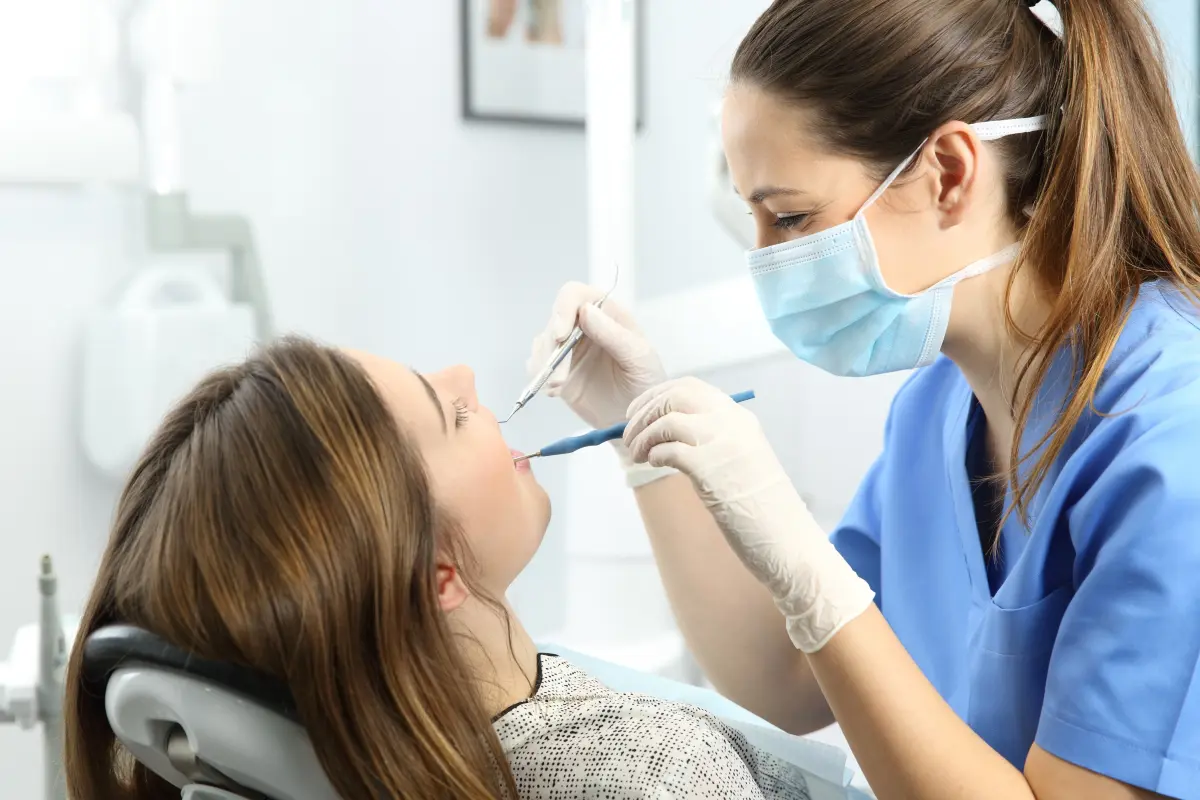
- Passive Fit: The crown is designed to fit precisely on the prepared tooth without force or pressure, ensuring a snug and accurate placement without damaging the underlying tooth structure.
- Surface Preparation: Both the inner surface of the crown and the prepared tooth are cleaned and dried. In some cases, the tooth surface may be etched or primed to improve adhesion.
- Cement Application: Dental cement is applied to the inner surface of the crown. This cement acts as a bonding agent, securing the crown to the tooth while filling any microscopic gaps.
- Seating the Crown: The crown is carefully placed on the tooth and gently seated in position using finger pressure or a light tapping tool to ensure proper alignment and fit.
- Excess Cement Removal: Once the crown is seated and the cement has set, any excess cement is removed to avoid irritation or gum inflammation, ensuring a clean and precise finish.
-
What is the best way to handle endodontic accidents in a private practice?
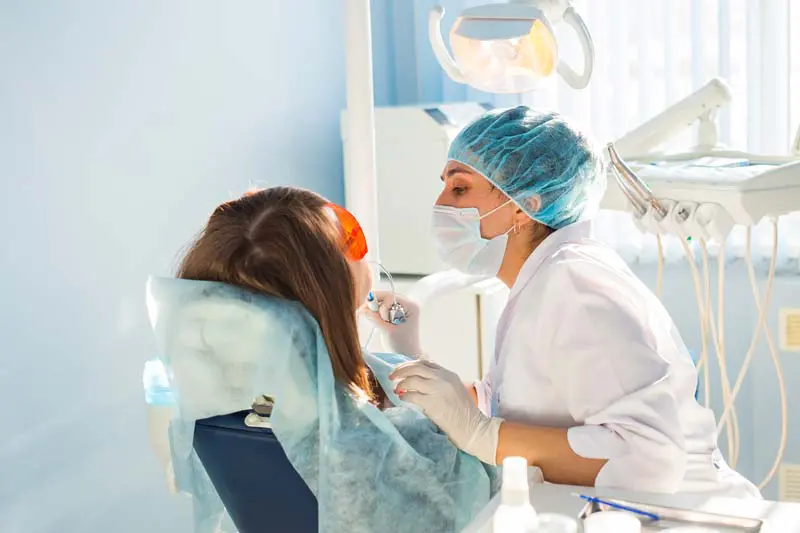
- Stay Calm and Assess: Immediately assess the situation carefully to determine the extent of the accident, whether it’s an instrument separation, perforation, or overfilling of material.
- Communicate with the Patient: Transparently explain the situation to the patient, providing them with information on what happened and the next steps for managing the complication.
- Use Specialized Tools: In case of issues like instrument separation or perforation, use specialized endodontic tools such as retrieval systems or repair materials like MTA (Mineral Trioxide Aggregate).
- Referral to Specialist: For complex or severe accidents, promptly refer the patient to an endodontic specialist (if you are not one) to ensure they receive the appropriate care.
- Document and Follow Up: Thoroughly document the incident and treatment steps in the patient’s record and schedule follow-up visits to monitor healing and ensure that the problem is resolved.
-
How to Handle medical emergencies in a dental practice?
- Preparedness and Training: Ensure that all staff are trained in basic life support (BLS) and emergency protocols, including CPR, choking management, and use of an automated external defibrillator (AED).
- Emergency Kit and Equipment: Keep a well-stocked emergency kit with essential medications (e.g., epinephrine, nitroglycerin, glucose, oxygen), along with necessary equipment like oxygen tanks, AEDs, and suction devices, readily accessible.
- Recognize Early Signs: Be vigilant in recognizing the early signs of medical emergencies such as syncope, allergic reactions, hypoglycemia, or chest pain, and act immediately to prevent escalation.
- Emergency Protocol Activation: Follow a clear and rehearsed protocol for each type of emergency. This includes stabilizing the patient, calling for emergency services (911), and administering the appropriate care or medication while awaiting paramedics.
- Post-Emergency Care and Documentation: After the emergency is managed, ensure the patient is stable, provide detailed documentation of the incident, and schedule a follow-up to monitor their condition. This is also crucial for legal and medical record-keeping.
-
What is Practice Management in an Endodontic Course?
- Business Operations: Covers essential aspects of running an endodontic practice, including financial management, staffing, inventory control, and day-to-day operations to ensure efficiency and profitability.
- Patient Communication: Teaches skills for effective patient interaction, including educating patients on procedures, managing expectations, and handling concerns or complaints with professionalism.
- Marketing and Growth: Focuses on strategies to attract and retain patients through digital marketing, referral systems, and community outreach to grow the practice.
- Legal and Ethical Considerations: Emphasizes adherence to legal and ethical standards, including informed consent, record-keeping, and ensuring patient safety and confidentiality.
- Clinical Workflow Optimization: Provides insights on streamlining clinical processes, from scheduling appointments to treatment planning and post-treatment follow-ups, for an efficient and patient-centered practice.
-
Why Mission Smile Dental Clinic for Endodontic Training Courses?
- Comprehensive Curriculum: The course covers key topics such as clinical endodontics, BMP, rubber dam placement, anesthesia, and crown cementation.
- Hands-On Learning: Students get practical experience by working with patients under supervision.
- Experienced Faculty: Led by Dr. Shruti Agarwal, an expert with over 20 years of experience.
- Modern Techniques: Training includes contemporary tools like 3D scanning and rotary endodontics.
- Focused on Practical Skills: Emphasizes real-life endodontic challenges and solutions.
-
Endodontic Courses Testimonial